01
Curiosity Hook

Curiosity Hooks

Creates an information gap the brain is compelled to fill. The human mind is wired to resolve incomplete loops — curiosity hooks deliberately open a gap between what the viewer knows and what they need to know, making it psychologically difficult to scroll away.

Example Hook
"I discovered why 94% of content creators fail — and it has nothing to do with posting frequency."
When To Use

Use curiosity hooks when you have a genuinely surprising insight, a counterintuitive finding, or a piece of information the audience doesn't expect. Works best when paired with a credible context so the promise feels believable.

Key Pattern

State the existence of information without revealing it. Combine with a familiar subject (posting frequency, follower growth) and negate the expected cause. The brain creates a "need to know" state it will pursue to resolve.

02
Shock Hook

Shock Hooks

Violates expectations to trigger dopamine and attention. The brain is prediction machine — when something violates the expected pattern, a neurological alarm fires and forces the mind to pay attention. Shock hooks leverage this by stating something radically unexpected in the very first sentence.

Example Hook
"I deleted 2 years of content and my engagement tripled overnight."
When To Use

Use shock hooks when you can back the claim up with real results or a genuine story. Hollow shock hooks — where the payoff doesn't deliver — destroy trust instantly. The more specific the numbers, the more believable the shock becomes.

Key Pattern

Take a widely accepted best practice or common behavior and describe doing the exact opposite — then claim a positive (and specific) outcome. The contradiction forces a mental double-take that keeps eyes on screen.

03
Storytelling Hook

Storytelling Hooks

Drops the viewer into a narrative already in progress. Storytelling hooks work by skipping exposition and starting mid-scene, creating immediate context and emotion. The viewer's brain automatically asks "what happened next?" — and that question compels them to watch.

Example Hook
"At 3am, broke and desperate, I wrote a caption that changed my entire career."
When To Use

Use story hooks for personal brand content, case studies, and long-form videos or posts. They work best when the story is genuine and the stakes are clear. The more visceral the scene-setting detail, the stronger the pull.

Key Pattern

Open with Time + Place + Emotional State. Then introduce the inciting moment without resolving it. Leave the outcome implied but unstated. The formula is: [When] + [Where/Feeling] + [Action] + [Outcome Teased].

04
Authority Hook

Authority Hooks

Establishes credibility in the first sentence. Authority hooks work because humans are wired to give attention to people who demonstrate expertise, data, or experience. By leading with your credibility signal, you prime the audience to trust everything that follows.

Example Hook
"After analyzing 10,000 viral videos, here's the one pattern nobody talks about."
When To Use

Use authority hooks when you have genuine data, credentials, or direct experience that gives your claim weight. On platforms like LinkedIn, authority hooks dramatically increase save and share rates because audiences want to bookmark expertise.

Key Pattern

Lead with a specific credibility signal (number of clients, amount of data analyzed, years of experience) followed by a promise that is specific and exclusive-feeling. The word "nobody talks about" adds a second layer of curiosity on top of the authority.

05
Relatability Hook

Relatability Hooks

Mirrors the audience's exact pain, desire, or daily reality. Relatability hooks create immediate recognition — the viewer feels seen, understood, and emotionally connected before you've said anything else. That emotional bond is a powerful reason to stay.

Example Hook
"You spend 4 hours creating content. 12 people see it. Sound familiar?"
When To Use

Use relatability hooks when speaking to a tight niche with a shared struggle or goal. The more specific and precise the pain point, the more powerful the recognition. "Sound familiar?" as an ending phrase invites the audience to mentally say yes.

Key Pattern

Describe a specific behavior or frustration in second person (you/your) using concrete, recognizable details — time spent, numbers, emotional states. End with a question that confirms shared experience. Specificity is the whole game here.

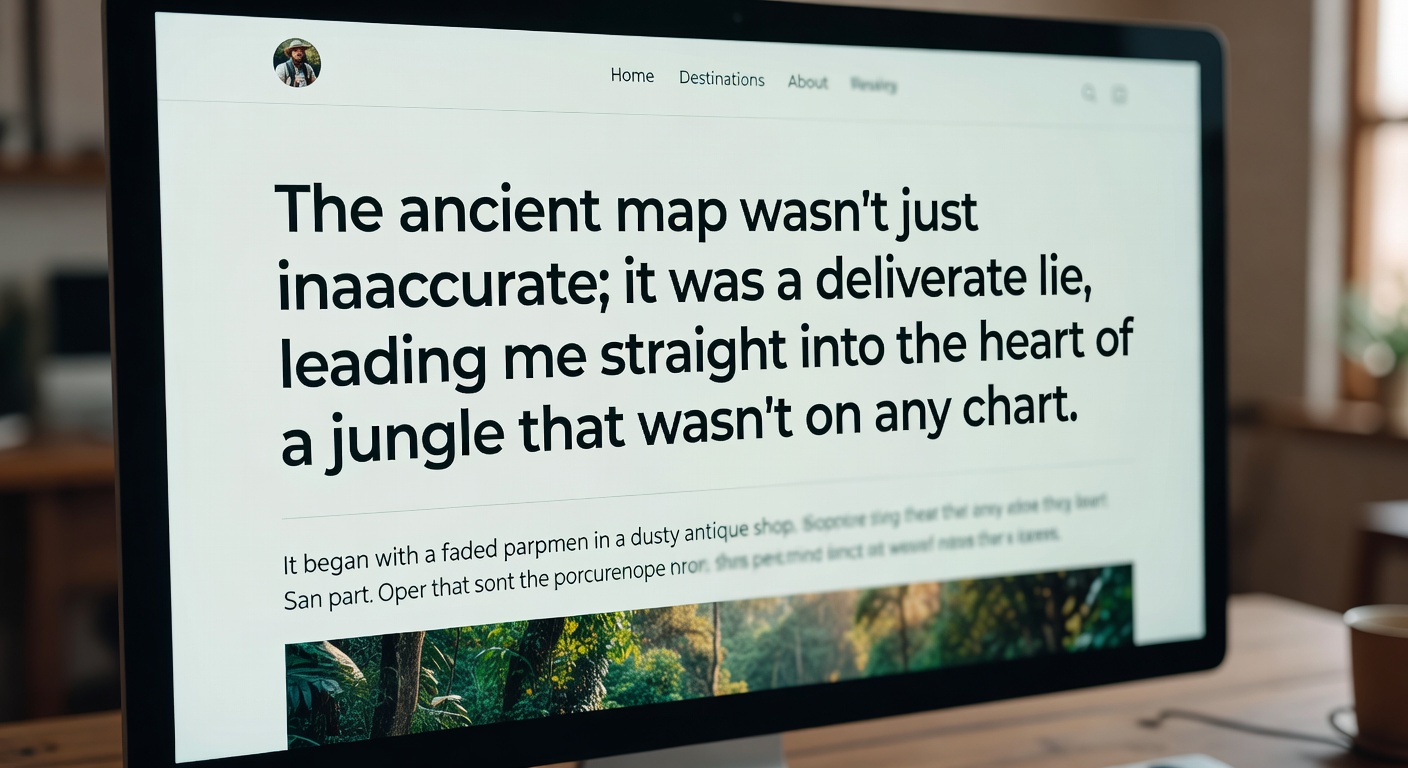
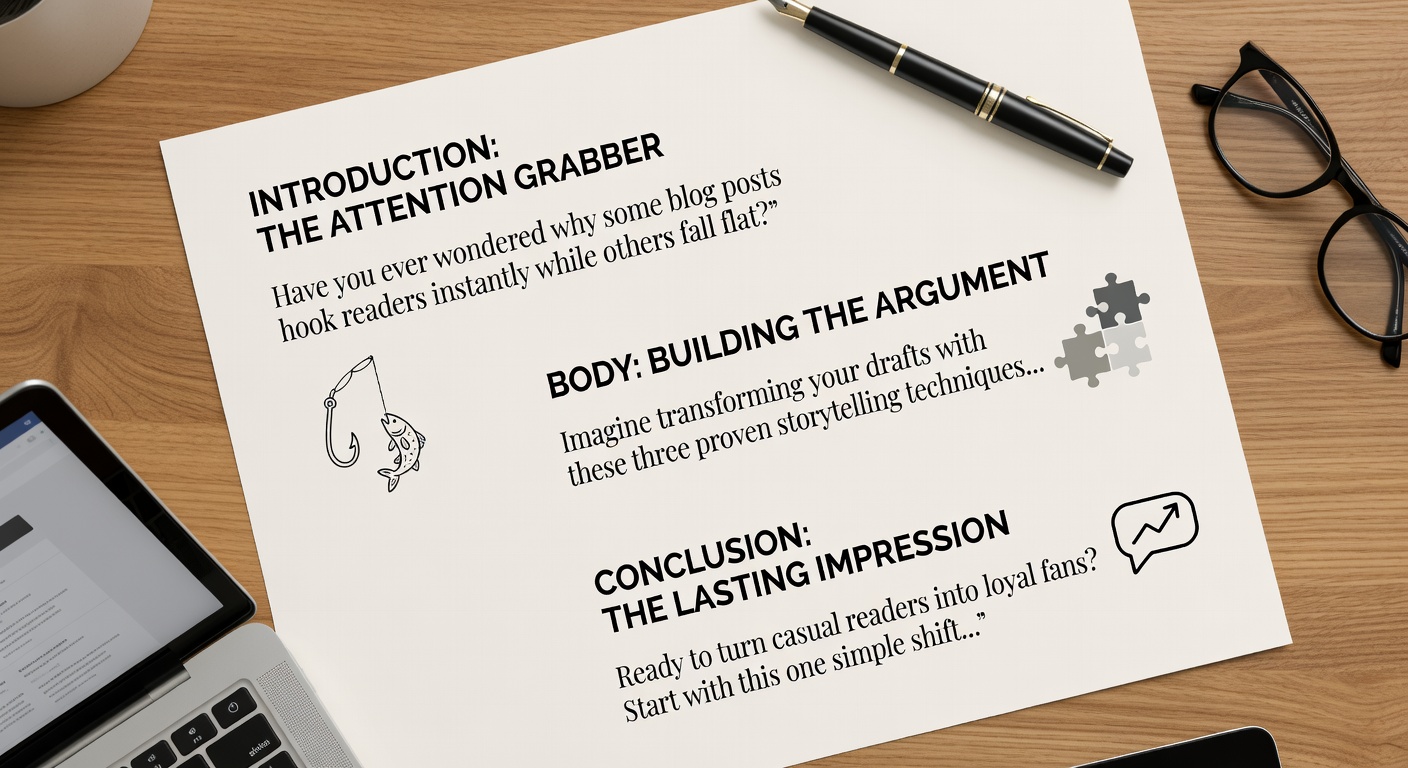
Blog post structure showing hook placement at the top

Where the Hook Lives

Your hook is not just the first sentence — it is the entire frame that determines whether the rest of your content gets consumed. On video, it's the first visual frame and first spoken words. On a post, it's what appears before "...more." On a thumbnail, it's the tension in the image title combo.

Understanding where your hook lives on each platform is the first step to making it work. The structure differs, but the psychology behind each of the five types stays constant.

Hook Type × Platform Matrix

Not every hook type performs equally across platforms. Use this matrix to choose the right type for your channel and content format.

Hook Type TikTok YouTube Instagram LinkedIn Twitter/X
Curiosity ★★★★★ ★★★★★ ★★★★☆ ★★★★☆ ★★★★★
Shock ★★★★★ ★★★★★ ★★★★☆ ★★★☆☆ ★★★★☆
Storytelling ★★★★☆ ★★★★★ ★★★★★ ★★★★★ ★★★☆☆
Authority ★★★☆☆ ★★★★★ ★★★☆☆ ★★★★★ ★★★★☆
Relatability ★★★★★ ★★★★☆ ★★★★★ ★★★★☆ ★★★★★
Blogging and content creator community discussing hook strategies
Community Insights How real creators are using these hook types
Content experiments and A/B testing of hook formulas
Hook Experiments Data from 200+ content experiments run in our lab

Not Sure Which Hook Fits Your Content?

Try our fill-in-the-blank hook templates. We've built ready-to-use formulas for every hook type, every platform, and every niche.

Explore Hook Templates