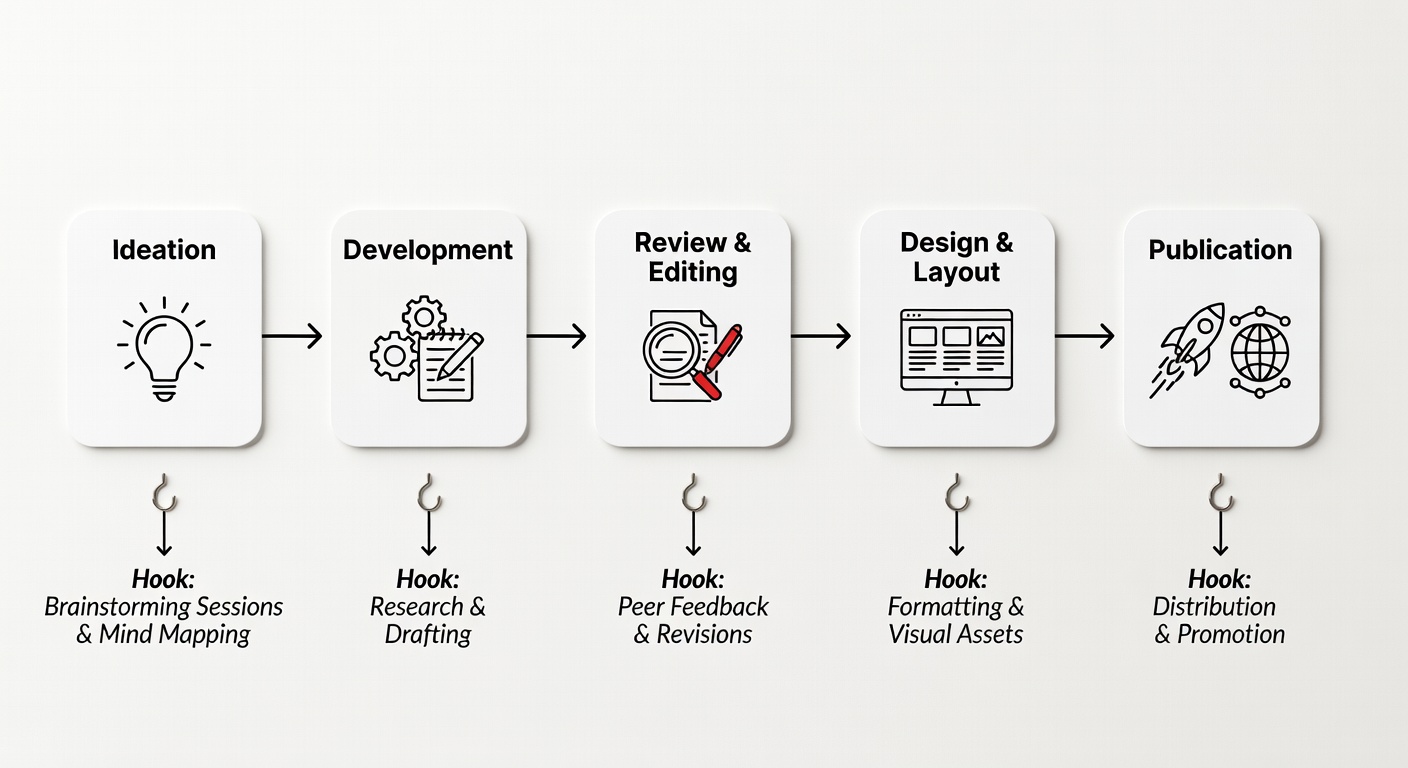
Content creation workflow showing multi-platform strategy and production process

Five Platforms. Five Hook Languages.

Deep-dive into the hook psychology, proven examples, and pro-level tactics for each major platform where your content lives or dies in the first three seconds.

TikTok

60 sec–10 min  |  First frame = everything

Jump cuts, pattern interrupts, and the first frame rule. Zero context. Maximum intrigue.

Hook Psychology

  • Dopamine loop: reward must be implied in frame 1
  • Pattern interrupt stops the scroll cold
  • No context needed — confusion creates curiosity
  • Visual novelty outperforms verbal hooks alone

3 Example Hooks

  • "I did this every day for 30 days and my life changed."
  • [Freeze-frame on unexpected result] "Here's how I got here."
  • "Stop scrolling. This took me 3 years to learn."

Pro Tips

  • Test 3 first-frame thumbnails before posting
  • Speak in the first 0.5 seconds — no silence
  • Use on-screen text that contradicts your voiceover
  • End your hook before 3 seconds to maximize loop starts

Key insight: TikTok's algorithm scores your first 3-second retention rate. If viewers don't stay through your hook, the video never reaches the For You Page.

Read: TikTok Hook Deep Dive →
YouTube

Any length  |  Hook window: 0–30 seconds

The thumbnail promise. Verbal hook matches visual hook. Deliver in first 30 seconds.

Hook Psychology

  • Thumbnail sets an expectation — verbal hook must fulfill it
  • Viewers decide to stay at 30 seconds, not 3
  • Open loops and future-pacing drive watch time
  • Authority signals that "this is worth my time"

3 Example Hooks

  • "By the end of this video, you'll never make content the same way again."
  • "I spent $10,000 testing this — so you don't have to."
  • "Most people start at step 3. That's why they fail."

Pro Tips

  • State your promise explicitly in the first 10 seconds
  • Tease chapter 3 in your hook — give a reason to stay
  • Use B-roll showing the end result before the explanation
  • Never bury your hook behind an intro card

Key insight: YouTube's metric is average view duration. A strong hook that converts thumbnail clicks into watched minutes is the real growth engine.

Read: YouTube Hook Mastery →

Instagram Reels

15–90 sec  |  Loop plays count as views

Visual hook first, verbal hook second. The loop must begin before it ends.

Hook Psychology

  • Users browse, not learn — aesthetic alignment matters
  • Loop-ability: the end must flow back into the beginning
  • Subtitles are mandatory — 85% watch without sound
  • Saves signal quality; hooks must create "I'll return to this"

3 Example Hooks

  • [Show polished result first] "Here's exactly how I did it."
  • "This is the only morning routine that actually sticks."
  • "POV: You finally understand what a real hook looks like."

Pro Tips

  • Design the last frame to connect visually to the first
  • On-screen text hook should appear within the first second
  • Use trending audio but make your text hook the real story
  • Hooks that create "I need this later" drive saves and reach

Key insight: Instagram ranks by saves and shares, not just views. Your hook should make someone think "I need to come back to this."

Read: Instagram Reels Hook Guide →

LinkedIn

1,300 char posts  |  First 3 lines visible before "see more"

Authority-first. Lead with data, a counterintuitive statement, or a bold career moment.

Hook Psychology

  • Professional identity is at stake — stakes must feel real
  • Counterintuitive takes earn comments, which fuel reach
  • Vulnerability + professional insight = viral formula
  • The "see more" click is your conversion rate

3 Example Hooks

  • "I got fired. Best thing that happened to my career. Here's why."
  • "Most marketers track the wrong metric. (It's costing them everything.)"
  • "After analyzing 2,000 posts: the #1 predictor of virality is not what you think."

Pro Tips

  • One sentence per line for maximum scannability
  • Never complete the thought before "see more" — create a cliffhanger
  • Use a specific number in line 1 whenever possible
  • Your first comment matters — it seeds early engagement

Key insight: LinkedIn's algorithm rewards dwell time and comments. Your hook should provoke an opinion, not just curiosity.

Read: LinkedIn Authority Hook Framework →

Twitter / X

280 char per tweet  |  Thread hook = tweet #1

The thread hook. First tweet must make the other 9 irrelevant until it's read.

Hook Psychology

  • Speed is currency — hook must land in under 6 words
  • Bold, declarative statements outperform questions
  • Thread hook must imply a volume of value ahead
  • Retweets happen before the thread is even read — hooks share themselves

3 Example Hooks

  • "Everything you know about hooks is wrong. (Thread)"
  • "I grew from 0 to 50K followers by changing one sentence. Here's that sentence:"
  • "The 7 hook formulas behind 90% of viral content. A thread."

Pro Tips

  • Post the hook tweet standalone, then reply with the thread
  • Use a colon or em dash after the hook claim for visual pause
  • The last word of your hook tweet should create anticipation
  • Pin your highest-performing thread at all times

Key insight: On X, the hook tweet IS the ad. If it doesn't earn a click-through on its own merits, the thread is invisible.

Read: Twitter/X Thread Hook Playbook →

Platform Engagement Stats

Hook performance varies dramatically by platform. These benchmarks will help you set realistic expectations and measure genuine progress.

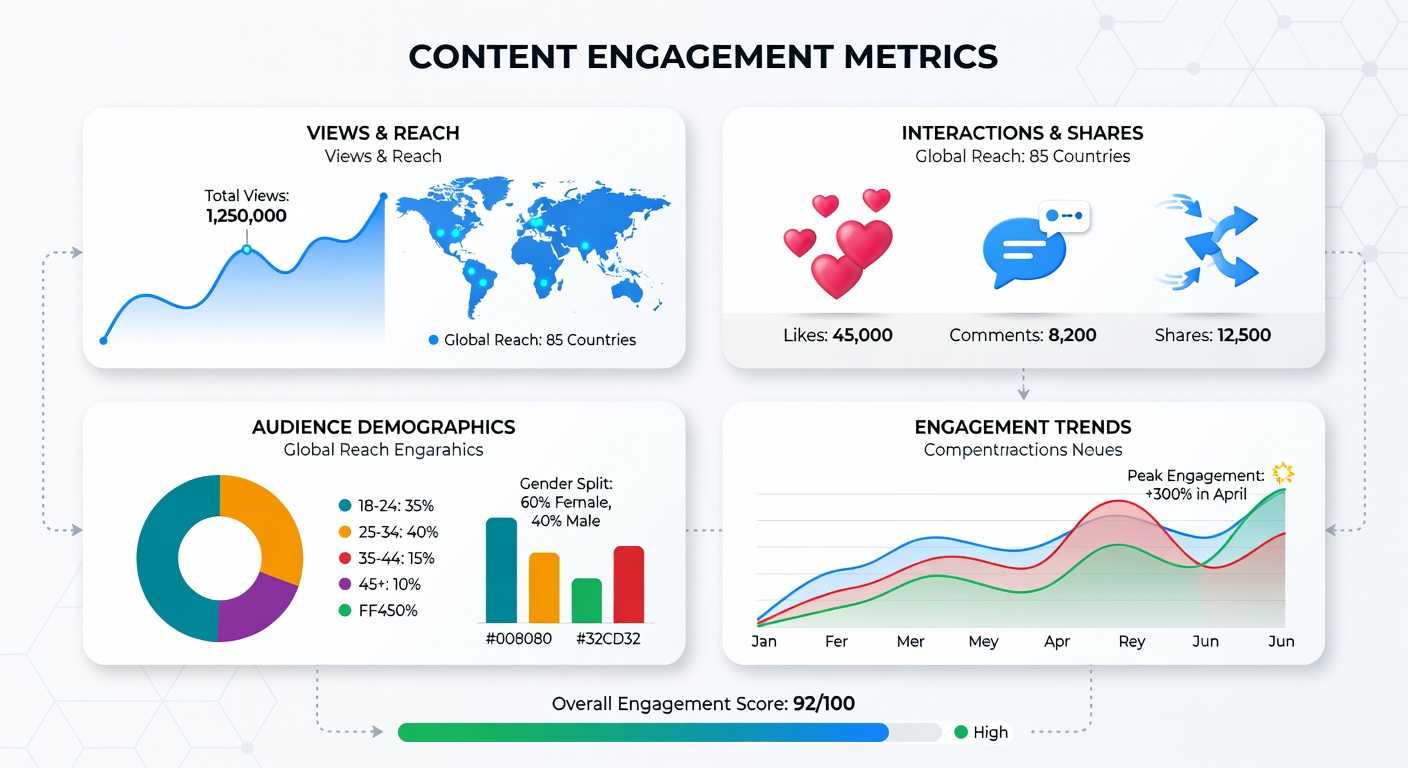
Content engagement infographic showing platform retention and interaction benchmark data
73%

of TikTok viewers decide in the first 2 seconds whether to keep watching

30s

is the critical YouTube retention checkpoint — lose viewers here and the algorithm penalizes you

more saves on Instagram Reels that open with a clear visual hook vs. a talking-head shot

higher comment rate on LinkedIn posts with a counterintuitive opening statement

400%

more thread engagement on X when the hook tweet contains a specific data point or bold promise

Cross-Platform Hook Adaptation

The same core idea. Five completely different hooks. Here's how one topic becomes native to every platform you're publishing on.

Core Topic

"Why most people wake up at 5am and still fail to be productive — and what actually works."

🎵 TikTok

"[Cut to messy desk at 5am] I woke up at 5am every day for a year. Here's what nobody tells you."

▶️ YouTube

"By the end of this video, you'll understand exactly why your 5am routine isn't working — and the 3-minute fix that changes everything today."

📸 Instagram Reels

"[Show productive workspace result] It's not about waking up early. It's about this."

💼 LinkedIn

"I interviewed 200 high-performers. None of them wake up at 5am. Here's what they actually do instead."

𝕏 Twitter / X

"The 5am wake-up is not a productivity strategy. It's a performance. Thread on what actually works:"

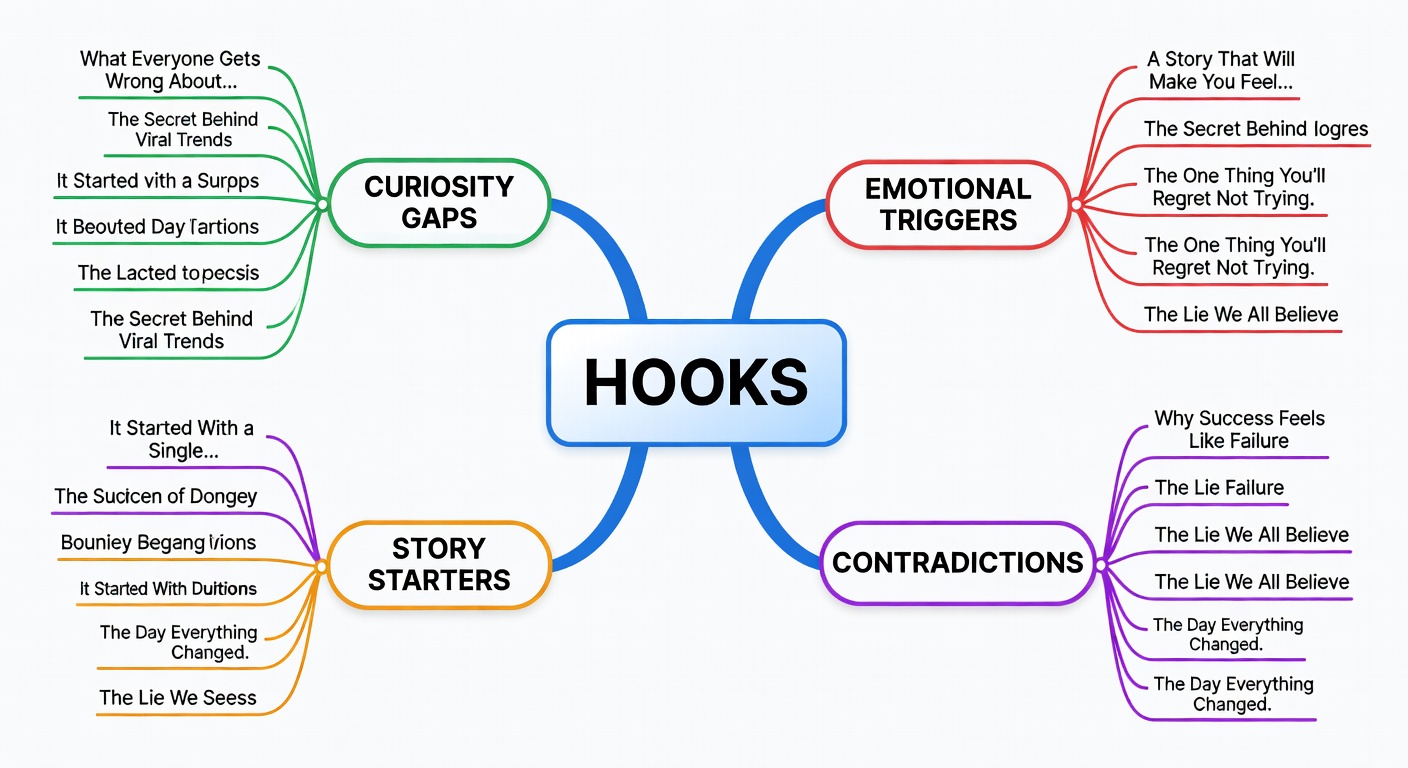
Content ideas mind map illustrating cross-platform hook adaptation and brainstorming strategy
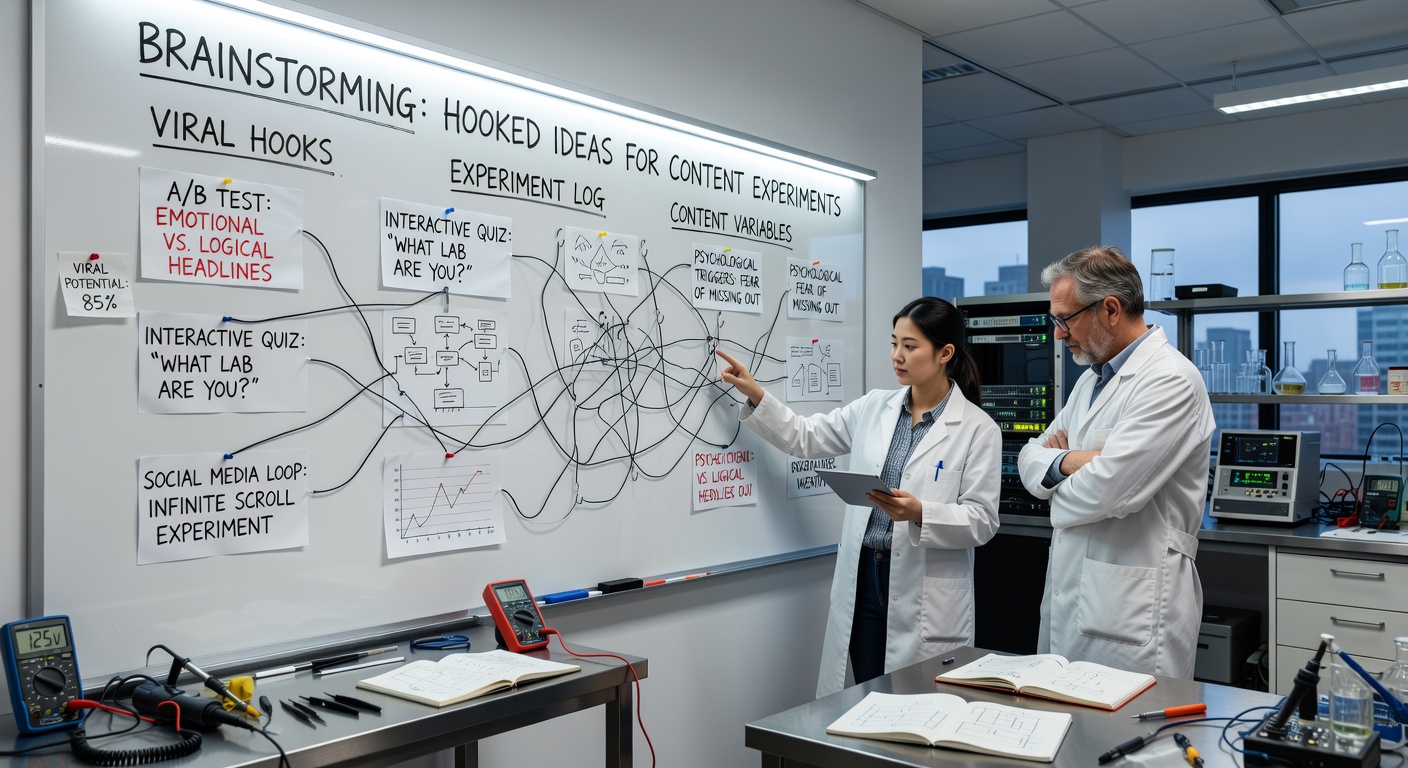
Content lab ideas visual showing platform hook brainstorming and research in action
From the Lab

Hook Ideas Start Here.

At HookFirst Content Lab, we document, test, and analyze thousands of platform-specific hooks every month. Our database of what works — broken down by platform, niche, and audience size — is built into every template and resource we publish.

Whether you're a solo creator or a content team scaling output across five platforms simultaneously, our frameworks give you the shortcut to native, high-performing hooks without the guesswork.

Explore Our Templates

Master every platform.

Get our Platform Hook Templates — pre-built, platform-native, and ready to customize for your niche and audience.

Get Platform Hook Templates