The Audience Already Knows What You're Thinking
"You already know what your audience is thinking. The question is — do you say it out loud?"
Relatability hooks are the most powerful — and most underused — hook type in content creation. Unlike authority hooks that establish credibility or curiosity hooks that open an information gap, relatability hooks work differently: they make the audience feel seen. They act as a mirror, reflecting back an experience, emotion, or thought pattern that the reader recognizes as their own.
When someone reads a relatable hook, the response is immediate and visceral: "That's exactly how I feel." In that moment, they are no longer a passive reader — they are an invested participant. The hook has created a bond before a single piece of value has been delivered.
"Relatability is not a style choice. It is a psychological mechanism that converts strangers into loyal readers by making them feel less alone."
In this guide, we explore the science behind why relatable hooks work, where they perform best, six proven patterns you can deploy today, and the fine but critical line between authenticity and manufactured relatability.
The Psychology of Relatability: Mirror Neurons and Social Content
The neuroscience behind relatability hooks starts with mirror neurons — specialized brain cells that activate both when we perform an action and when we observe someone else performing it. The same mechanism fires when we read about an experience and when we live it ourselves.
In a social media context, this means that when your hook describes an experience the reader has had — the 2 AM scrolling spiral, the Sunday night content guilt, the analytics disappointment — their mirror neurons fire as if they are reliving that moment. The emotional resonance is immediate and neurological, not just cognitive.
This is why relatable content generates such disproportionate comment activity. Comments like "This is literally me" or "I feel attacked" are not ironic — they are neurological responses to content that has successfully triggered the mirror neuron system.
Content creators who understand this use relatable hooks deliberately: they describe a universal experience with enough specificity to feel personal, and the reader's brain does the rest of the work.
Why Relatability Hooks Outperform on Instagram and LinkedIn
Instagram's algorithm heavily weights saves and shares — both of which are driven by "I need to remember this" and "this is so them" moments. Relatability hooks trigger both responses by creating content that feels personally meaningful enough to save and specific enough to tag someone in.
LinkedIn's professional audience is particularly hungry for permission to be human. Relatability hooks on LinkedIn work because they break the corporate polish mask — when someone admits a universal professional struggle in a hook, it creates a release valve of recognition that generates outsized engagement.
TikTok & Reels
On short-form video, relatable hooks must work in the first frame and first spoken word simultaneously. The "you know that feeling when..." format is a platform staple for good reason — it creates immediate audience identification before the hook has even been completed.
Twitter / X
The brevity constraint of Twitter makes relatability hooks especially potent. A single sentence that captures a universal micro-experience spreads rapidly because it is short enough to read in a scroll, specific enough to feel personal, and shareable enough to RT without context.
6 Relatability Hook Patterns
These six patterns cover the full spectrum of relatable experiences — from shared struggle to universal desire. Each one uses a different emotional entry point to create the same result: an audience that feels understood before they have read past the first sentence.
Name the exact frustration your audience experiences. The more specific the struggle, the more powerful the recognition. Generic pain points create generic responses — specific ones create connections.
Verbalize the exact internal dialogue your audience has but rarely says out loud. Inner monologue hooks are powerful because they make the reader feel you can read their mind — the ultimate form of relatability.
Admit something the audience secretly relates to but would never say first. Vulnerability in a hook signals safety — it gives the reader permission to relate without shame.
Capture a specific, small, universally experienced moment. The more granular and precise the moment, the more powerful the recognition. Great micro-moment hooks feel like a photograph of a shared experience.
Name what your audience actually wants — not the surface-level goal, but the deeper emotional motivation beneath it. This pattern works because it demonstrates you understand their "why" better than they do.
Explicitly name and include a specific, often underrepresented group within your audience. Community call hooks create powerful belonging — they say "you are not alone" before any content is delivered.
Debunking the Myth: Relatability Means Being Weak
The most common myth about relatability hooks: that admitting struggle diminishes authority. The opposite is true.
The most persistent myth in professional content creation is that showing vulnerability — admitting mistakes, naming struggles, expressing doubt — undermines your authority and credibility.
Research on social trust consistently shows the opposite. Audiences trust creators more, not less, when those creators demonstrate the self-awareness to acknowledge imperfection. The "pratfall effect," studied by psychologist Elliot Aronson, demonstrates that competent people are liked more when they show occasional flaws — and the same principle applies to content creators.
Relatability hooks are not weakness signals. They are trust accelerators. They say: "I have been where you are. I understand your experience from the inside. That is why what I am about to share is worth your time."
The distinction is between strategic vulnerability (sharing struggles that are relevant to your audience's journey) and indiscriminate oversharing (dumping every personal difficulty regardless of relevance). Relatability hooks use the former — always in service of the audience, always connected to value.
Optimizing Relatability Hooks for Platform Algorithms
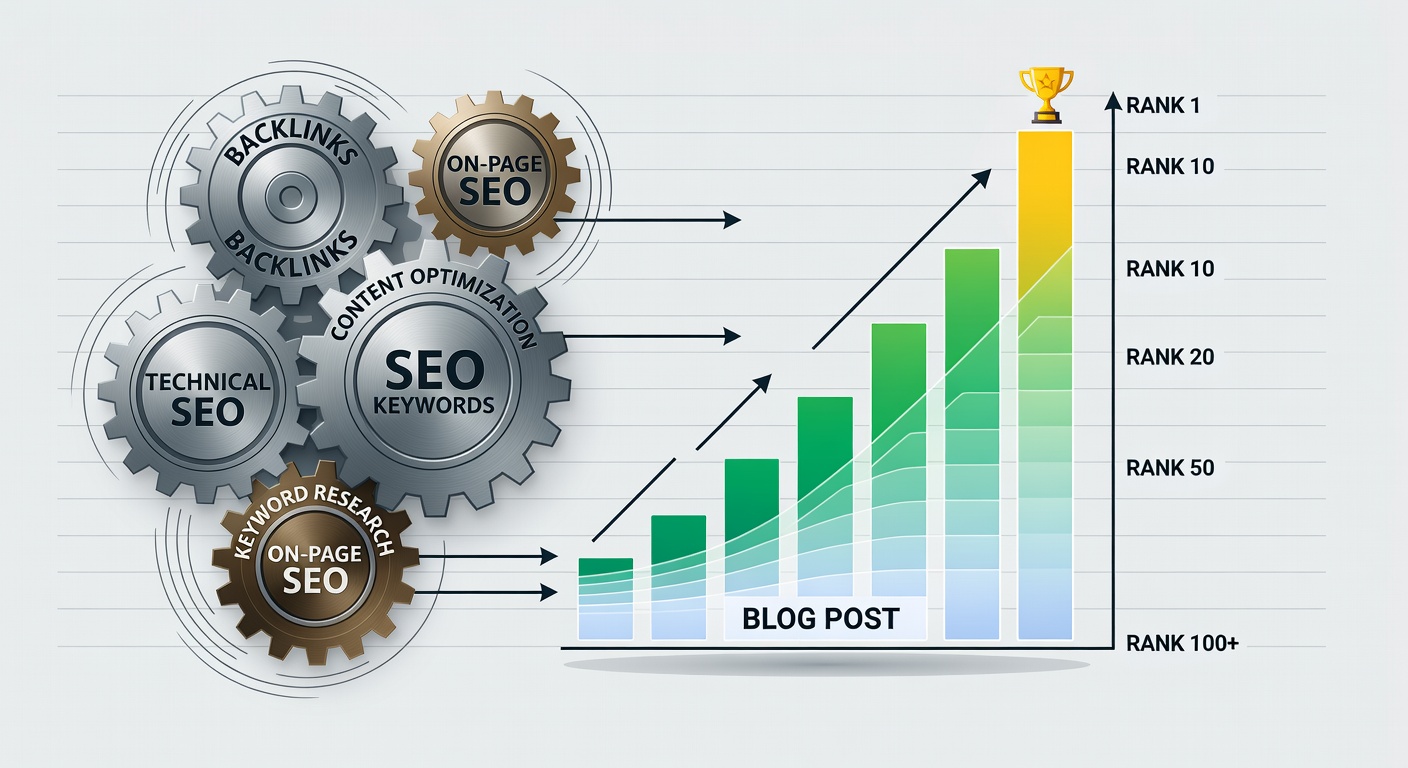
Platform algorithms amplify content that generates rapid, emotional engagement — exactly what relatability hooks produce.
Every major social platform uses engagement signals to decide whether to distribute content beyond your existing audience. Relatability hooks generate the specific types of engagement that algorithms prioritize:
- Comments: Relatable hooks generate "this is me" comments — short, high-volume responses that spike engagement metrics in the first hour.
- Saves: Content that feels personally relevant gets saved — and saves are one of the highest-weight signals on Instagram and TikTok.
- Shares: "Sending this to [person]" behavior is driven almost entirely by relatability — content gets shared when it makes us think of someone else who needs to see it.
- Watch time: On video platforms, hooks that create immediate identification increase the likelihood that viewers watch through to the content they know is coming for them.
How Relatability Affects Content Ranking and Reach

Engagement velocity in the first 60 minutes after posting is the most critical distribution signal — relatable hooks drive this directly.
On search-optimized platforms like YouTube and Google, relatability affects ranking in a less direct but equally powerful way. When relatable hooks drive high click-through rates and strong dwell time, they send behavioral signals that tell the algorithm: "This content delivers on its promise." That behavioral signal compounds over time into sustained organic ranking.
For SEO content specifically, the most effective approach combines a search-optimized title with a relatable hook in the opening paragraph. The title gets the click; the hook holds the reader. Together they create the behavioral profile that search algorithms reward with long-term ranking.
Combining Relatability With Other Hook Types
Relatability hooks are powerful on their own — but they become exceptional when strategically combined with other hook types. Here are the most effective pairings:
| Combination | Effect | Example |
|---|---|---|
| Relatability + Authority | Humanizes expertise. Shows the expert has walked the same road. | "I spent 3 years posting to near-zero engagement. Here's what finally changed — from someone who now advises brands on content strategy." |
| Relatability + Curiosity | Creates both emotional investment and information tension. | "That feeling when your best post tanks? There's a specific reason for it — and it's not what you think." |
| Relatability + Urgency | Transforms passive recognition into immediate action. | "If you've been posting consistently with zero growth, stop — before you make the mistake that makes recovery impossible." |
| Relatability + Shock | Uses shared experience to set up a surprising reveal. | "We all assume our content quality is the problem. The data says it's something completely different." |
Authenticity vs. Performance: The Fine Line in Relatability Hooks
The most important skill in writing relatability hooks is knowing where authenticity ends and performance begins. Performed relatability — hooks that fabricate struggle, exaggerate vulnerability, or manufacture "realness" — is one of the fastest ways to erode audience trust.
Audiences in 2026 are sophisticated consumers of content. They can sense when relatability is genuine and when it is engineered. The most successful relatable creators are not necessarily the most vulnerable — they are the most accurate. They describe real experiences with surgical precision.
Authenticity vs. Performance: A Quick Diagnostic
Authentic Relatability
- Draws from real experiences you've had
- Names specific, granular details that only come from lived experience
- Serves the audience's understanding, not your image
- Consistent with your overall content voice and history
- Connected directly to the value the content delivers
Performed Relatability
- Borrows or exaggerates struggles for engagement
- Uses generic pain points that could apply to anyone
- Feels disconnected from the actual content that follows
- Inconsistent with your established persona or expertise
- Serves engagement metrics, not audience value